Ramen: Noodle Slurping Culture, Soup Types and Regionality
Ramen is not just a noodle dish. There is a deep world woven by different soups and noodles in each region, and it is a Japanese national food that is now loved all over the world.
On this page, we deliver a complete guide to enjoying authentic ramen in Japan.
1. Eating Ramen in Japan: Guide by Budget and Style
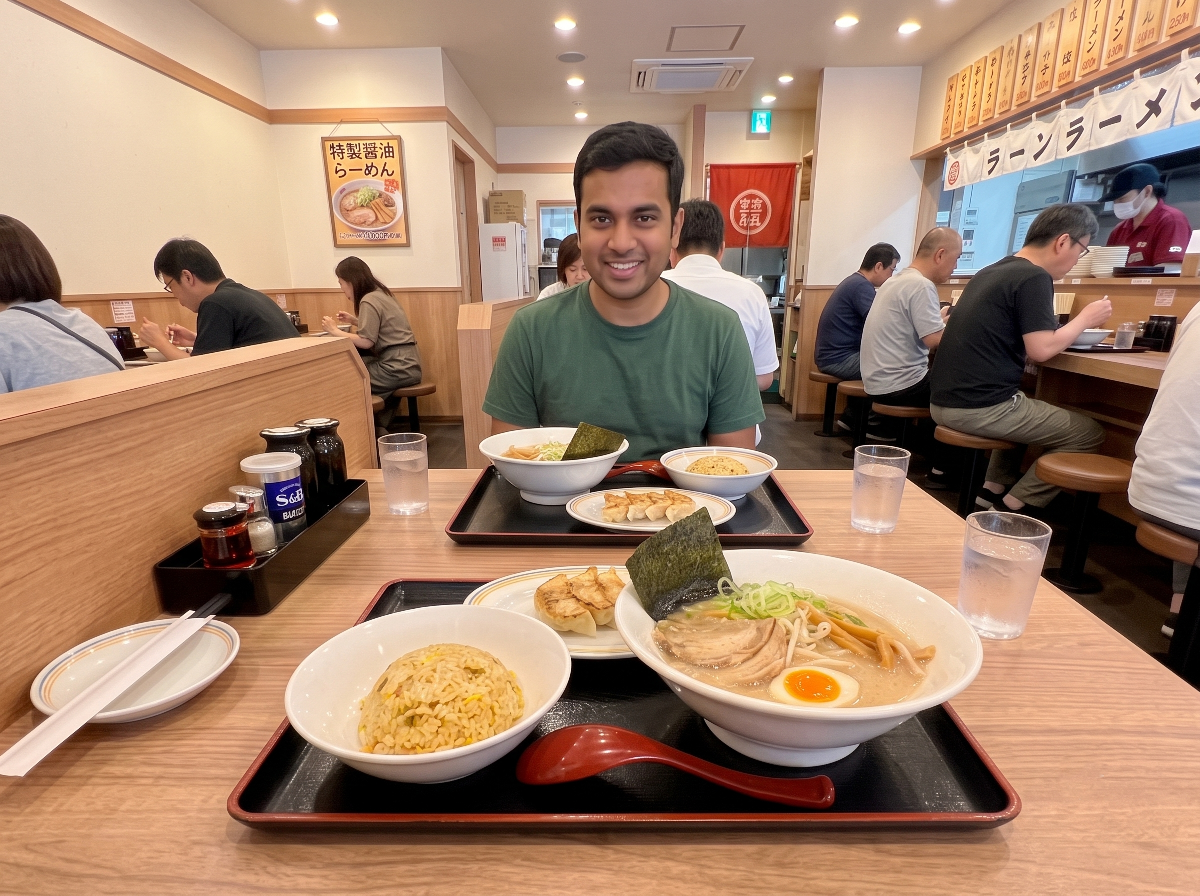
In Japan, you can enjoy ramen in various scenes, from late-night snacks to the finest bowl eaten after waiting in line.
Style
Estimated Budget
Characteristics and Experience
Recommended Usage Scenes
Convenience Store / Supermarket
$
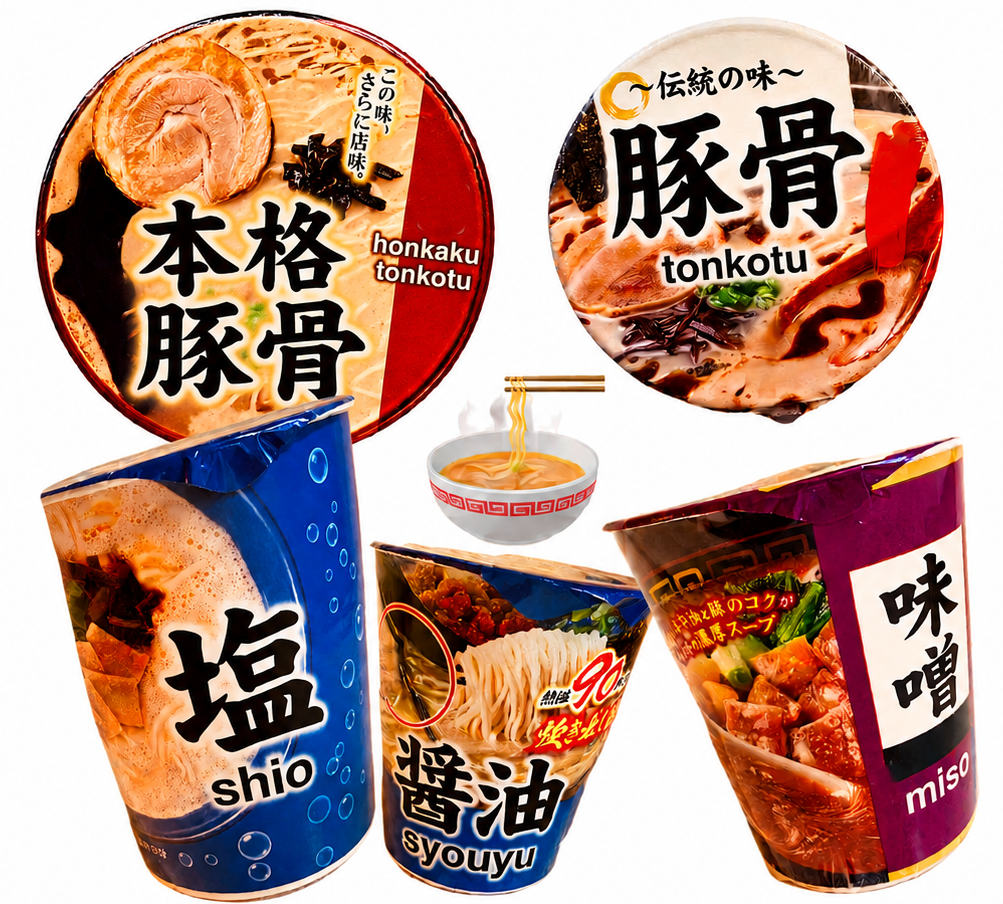
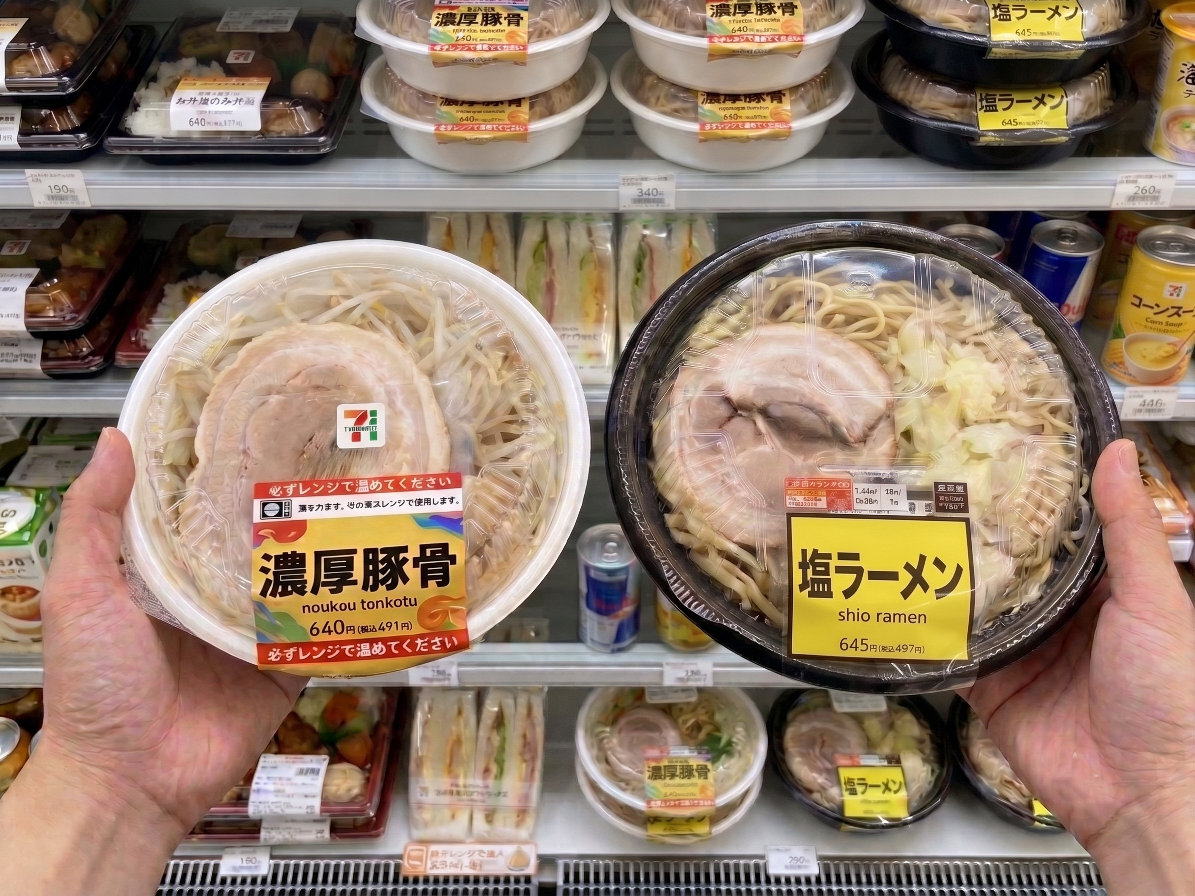
Cup noodles and chilled noodles just by adding hot water. They are surprisingly high quality.
Late-night snacks at hotels and quick light meals
Chain Store / Fast Food
$$
There are many multilingual menus, and you can relax because there are table seats.
Families and ramen beginners
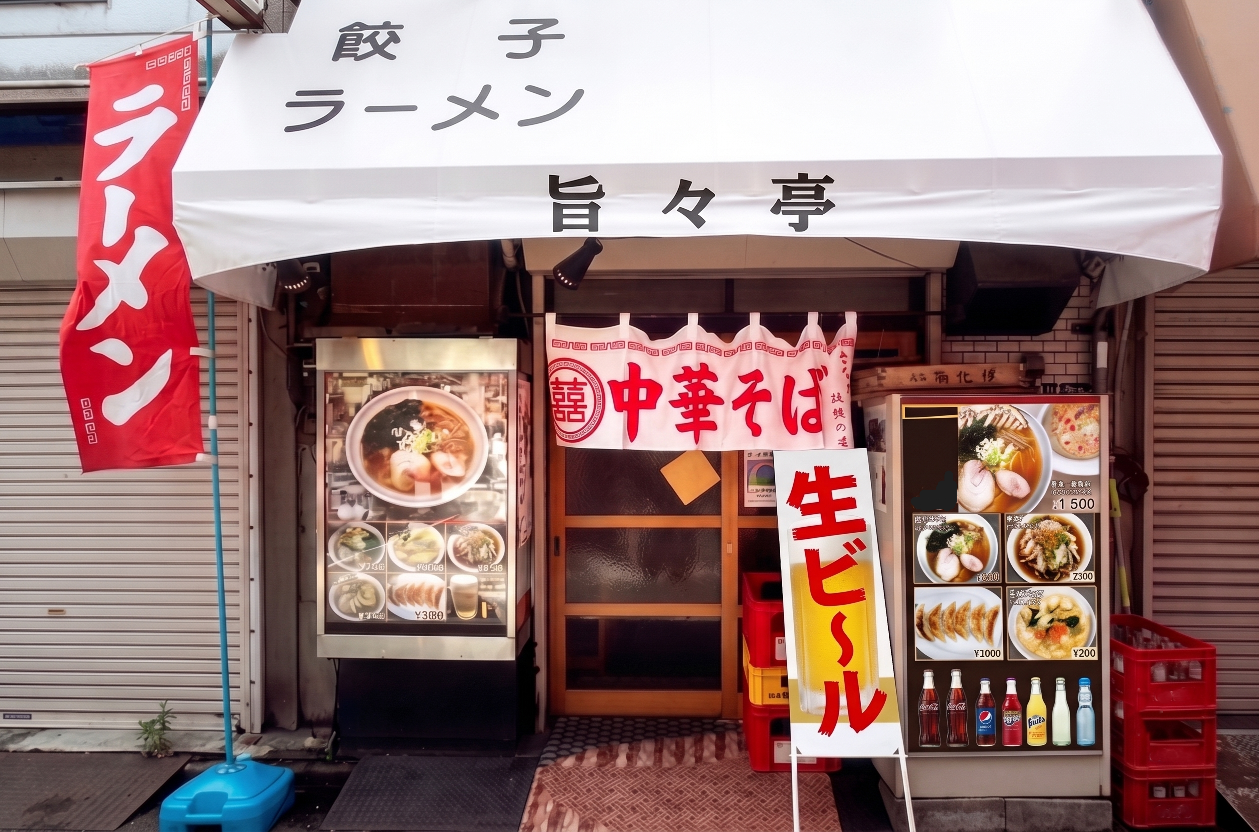
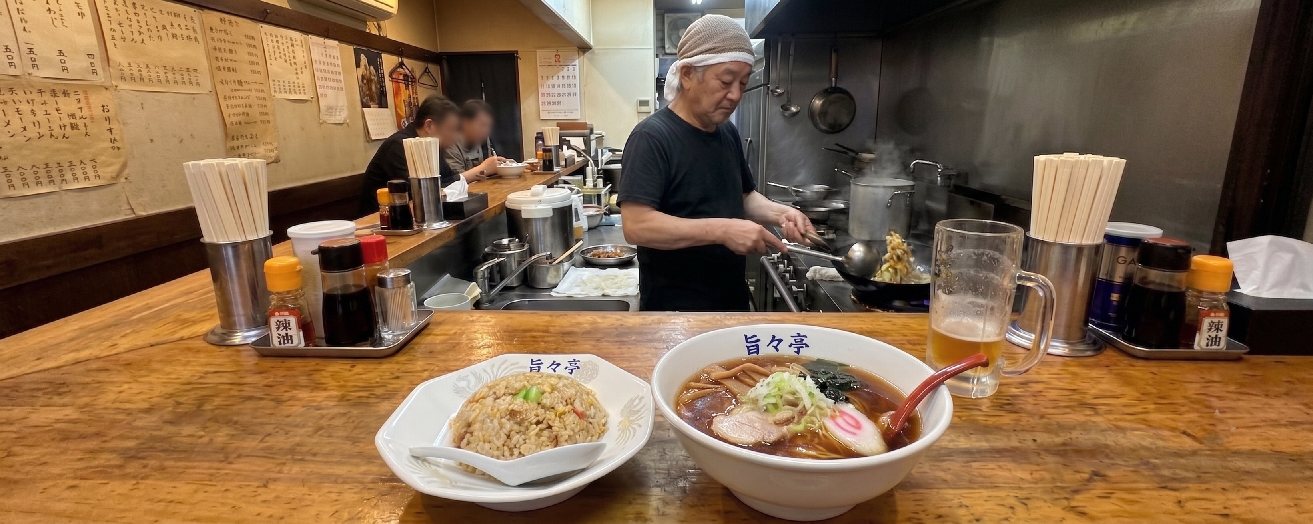
Machichuka (Local Diner)
$$
Old-fashioned simple ramen. Together with gyoza and fried rice.
When you want to taste a local retro atmosphere
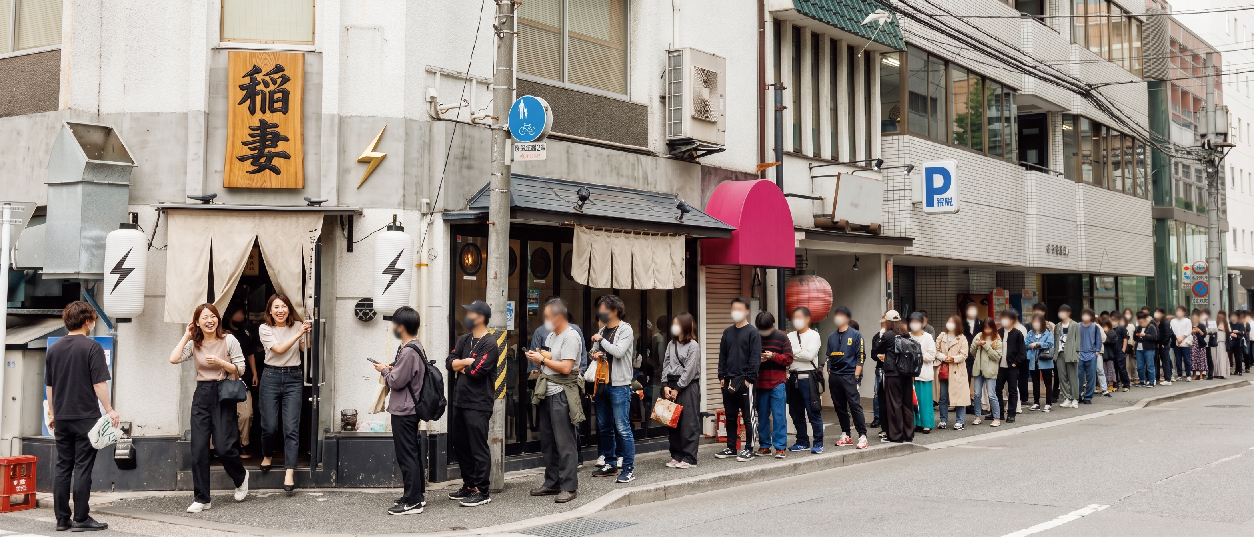
Specialty Store with Lines
$$$
Carefully selected soup and homemade noodles. It is often bought at a ticket machine.
A gastronomic experience seeking the ultimate bowl
2. Delicious Ways to Eat and Manners You Should Know
Ramen shops have unique rules and culture. If you know this, you can eat smartly like a Japanese person.
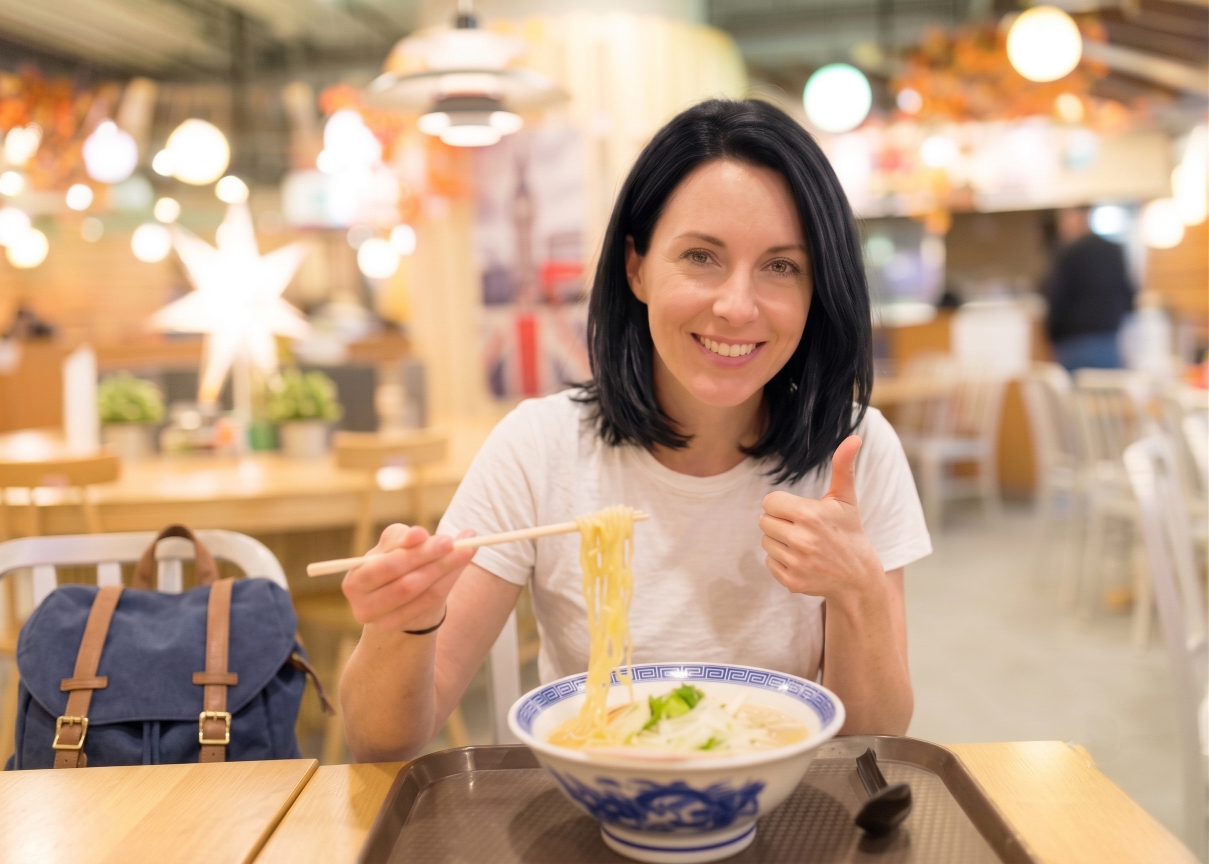
Culture of "slurping" noodles: In Japan, it is common to slurp noodles making a slurping sound. Due to this, the aroma of the soup spreads in the mouth, and you can eat deliciously while cooling the hot noodles (there is no need to force it). Eat while hot: Because the noodles absorb the soup and become soggy, it is manners to concentrate on eating rather than chatting as soon as it is served. It is OK not to drink up the soup: Drinking the soup to the end is the best compliment to the chef, but because there is a lot of salt, it is not rude if you do not force yourself to drink it up. How to use the Renge: The spoon for drinking soup (Renge) can also be used as a saucer to make mini ramen when you are not good at slurping noodles.
[Noodle Firmness You Should Know (Especially Tonkotsu Ramen)]
Barikata: Very firm. A boiling condition popular with connoisseurs. Kata: A little firm. You can enjoy the texture of the noodles until the end. Futsu: The shop's standard firmness. Recommended for first-time people.
3. Deep Soup Types and Local Ramen
The soup base of Japanese ramen is completely different depending on the region. Looking for local ramen at your travel destination is also one of the real thrills.
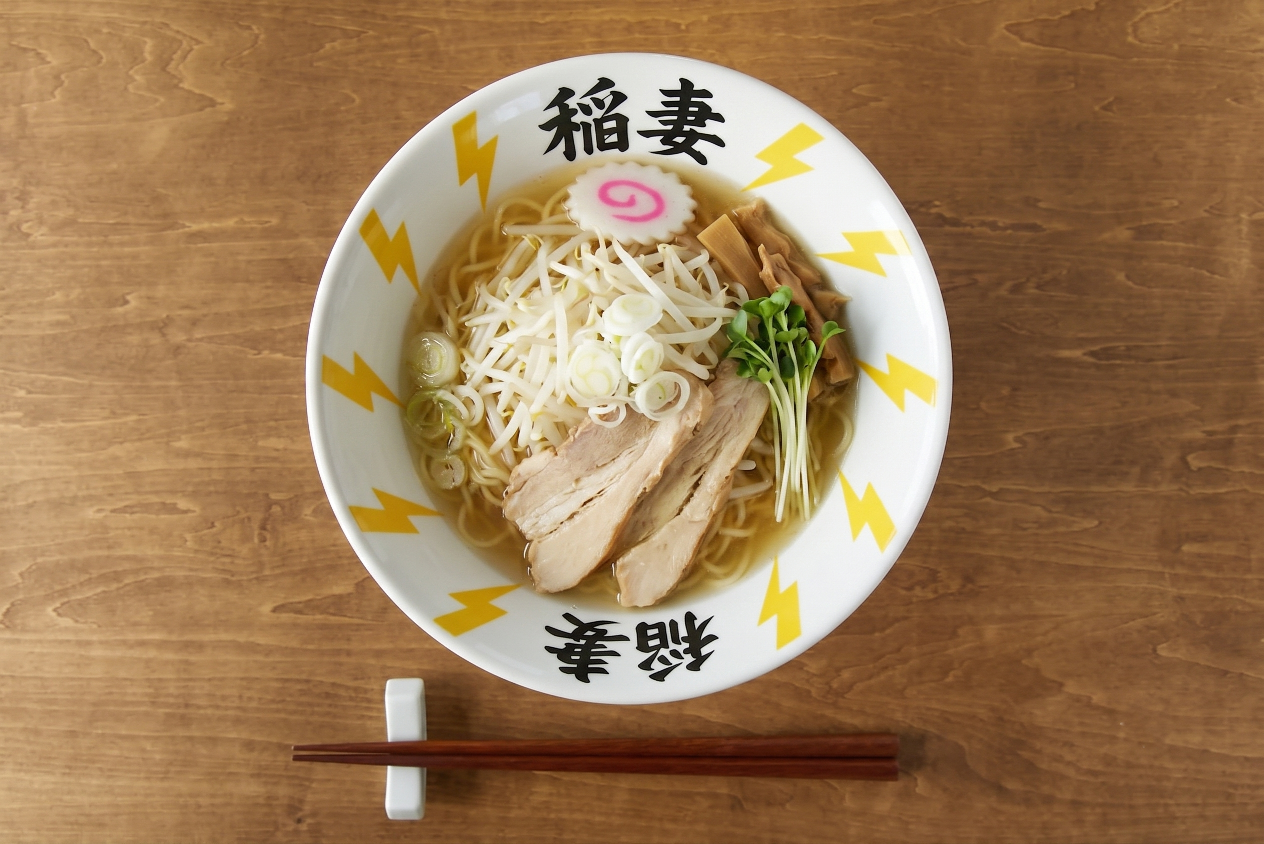
Shoyu (Soy Sauce): The most basic ramen said to have originated in Tokyo. It is characterized by a transparent brown soup. Miso: Originated in Sapporo, Hokkaido. It is rich and full-bodied, and corn and butter are often topped. Tonkotsu (Pork Bone): Originated in Hakata, Kyushu. It is characterized by a rich and creamy soup boiled until the pork bones become cloudy white, and extremely thin noodles. Shio (Salt): The transparency of the soup is high, and it is a refreshing ramen where you can taste the umami of the chicken and seafood broth most simply.
4. History of Ramen: Introduced from China and Evolved Uniquely in Japan
Ramen is a hybrid food that has achieved its own evolution in the long history of Japan.
Origin and Introduction: The roots are Chinese noodle dishes. In the late 19th century, it spread throughout Japan from the Chinatowns of port towns (such as Yokohama). Japan's Unique Evolution: It fused with "Japanese dashi culture (bonito flakes, kelp, etc.)" to suit the palate of Japanese people, and unique soups were developed for each region. Birth of Instant Ramen: In 1958, the world's first instant ramen (Chicken Ramen) was invented in Japan, and it has now become a great invention that changes the food culture of the world.
5. Trivia to Enjoy Ramen Even More
Kaedama: A system mainly found in Hakata Tonkotsu ramen shops, it is a mechanism where you can order a "refill of noodles only" while leaving the soup. Ticket Machine: In Japanese ramen specialty shops, the style of paying money first at the machine at the entrance, buying a ticket, and then sitting at the seat is very common.
6. Taste Japan Even After Returning Home: Arranged Instant Ramen You Can Make at Home
Instant ramen sold at overseas supermarkets can also be brought closer to authentic Japanese taste with a little ingenuity.
Basic Ingredients
Bagged instant ramen
Egg (boiled egg or raw egg)
Chopped green onions
Ingredients of your choice(Chashu, nori seaweed, corn, bean sprouts, etc.)
Sesame oil(If you drop a few drops, the scent will become much better)
How to Make
Boil hot water in a pot and boil the noodles as indicated on the bag.
Right before stopping the heat, put in the powder soup and stir well.
Transfer to a bowl and beautifully arrange ingredients such as green onions, boiled eggs, and nori seaweed. Lastly, drop a few drops of sesame oil to complete.
← Return to the previous page