Sukiyaki: A symbol of civilization and enlightenment, and the supreme beef hot pot tasted with a raw egg
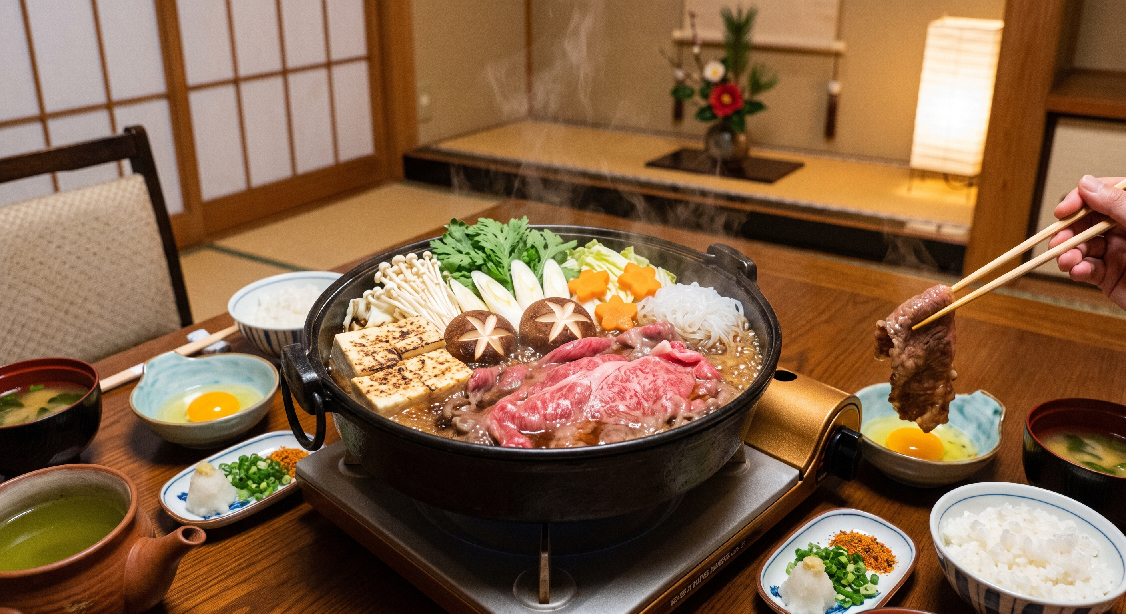
Sukiyaki is a representative Japanese feast where thinly sliced beef and vegetables are simmered in a special sweet and salty sauce (warishita) and eaten entangled with a raw egg.
On this page, we will introduce delicious ways to eat sukiyaki and the history of how beef eating spread.
1. Eating sukiyaki in Japan: A guide by budget and style
Sukiyaki can be enjoyed in various styles, from easy single-person hot pots to specialty restaurants where you can enjoy the highest quality wagyu beef.
Style
Estimated budget
Features and experience
Recommended scenes of use
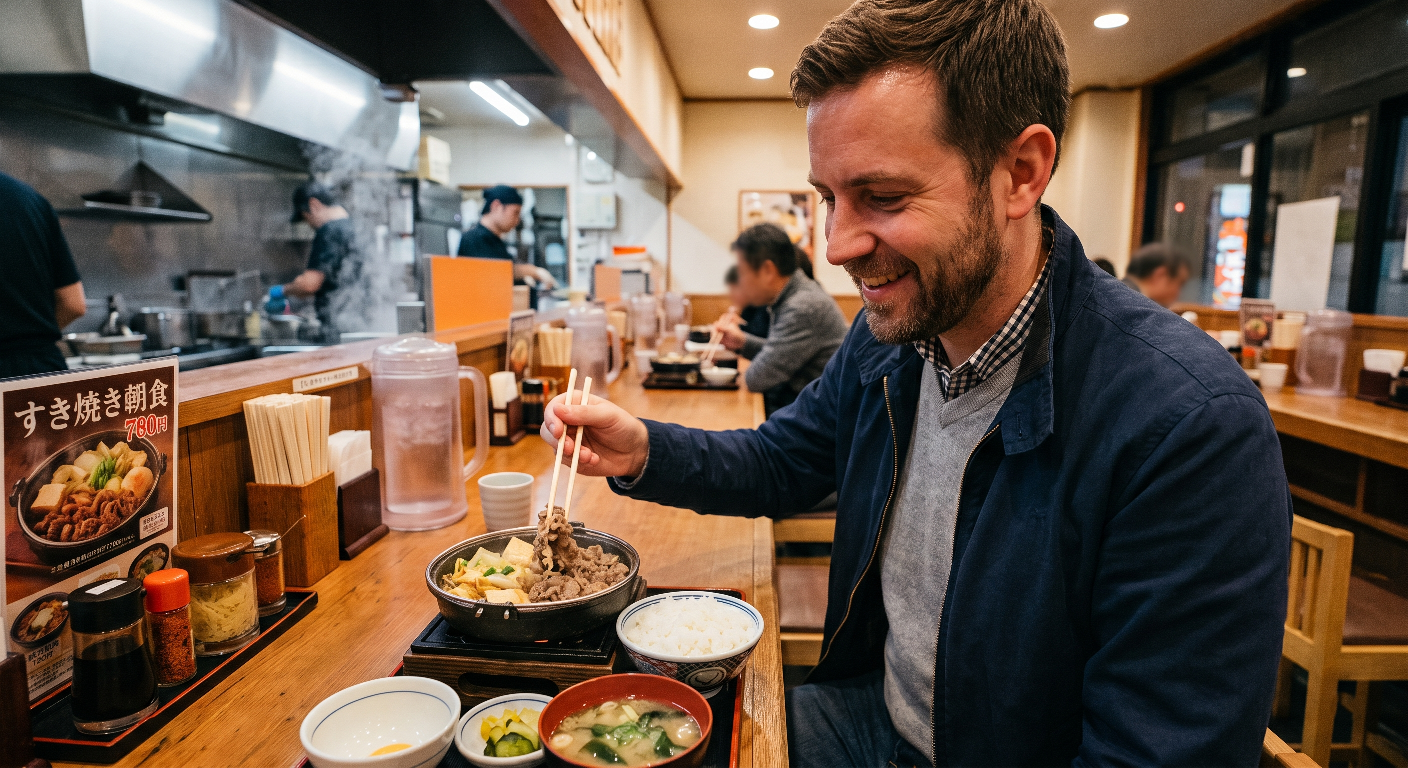
Sukiyaki hot pot at beef bowl chain restaurants
$
It is an easy single-person hot pot set meal often provided for a limited time in winter.
When traveling alone or when you want to eat a warm hot pot reasonably
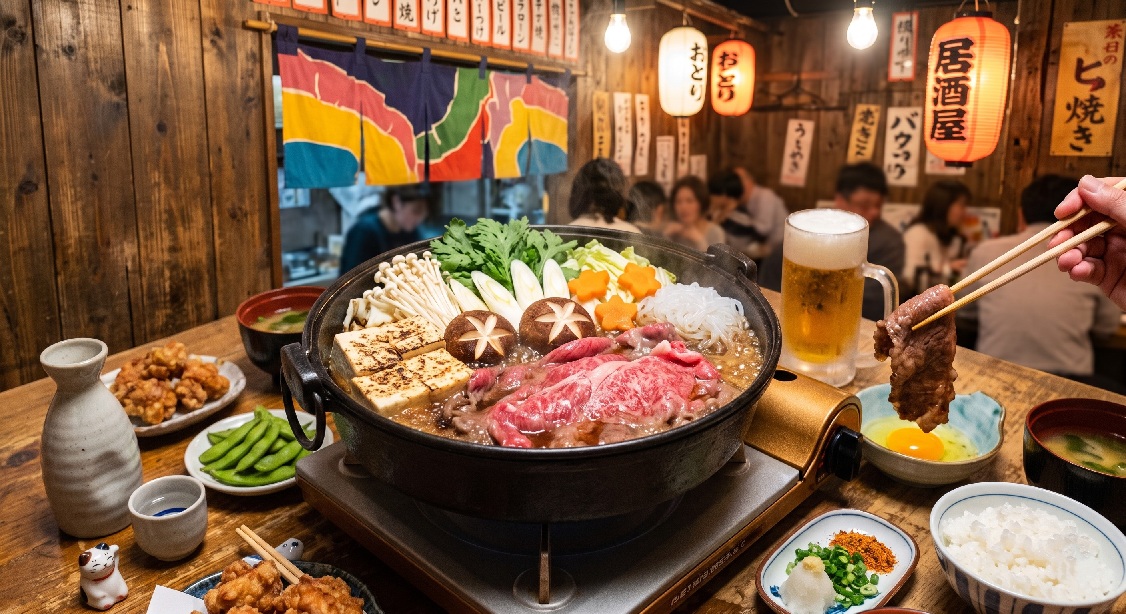
All-you-can-eat sukiyaki and shabu-shabu restaurants
$$
Meat and vegetables are free to refill. You can enjoy it at your own pace.
When you want to eat a lot and have fun with family and friends
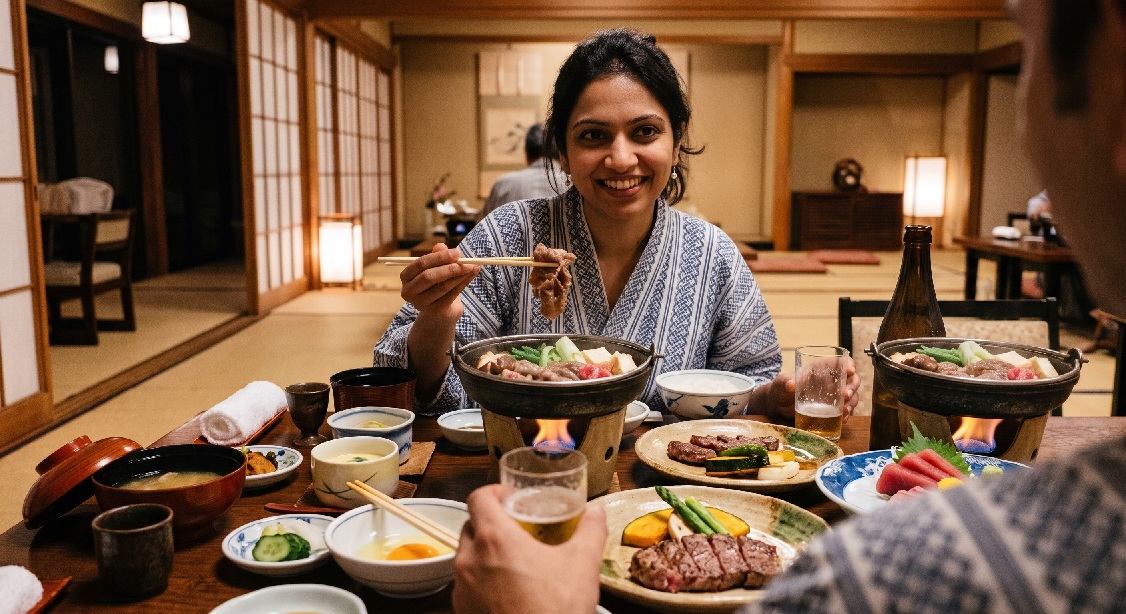
Dinner at ryokan (Japanese inns) and Japanese restaurants
$$$
It is provided in a small hot pot using solid fuel as one dish of a course meal.
When you want to relax and taste Japanese food on a hot spring trip, etc.
Long-established sukiyaki specialty restaurants
$$$$$
Using the highest quality wagyu beef, a Nakai (waitress) will cook each slice to the best condition right in front of you.
For dinner on a special day or the ultimate gastronomic experience
2. Delicious ways to eat and manners you should know: Raw eggs and the difference between Kanto and Kansai
We will introduce a unique food culture to enjoy sukiyaki to the fullest.
Dipping in raw egg: The biggest feature of sukiyaki is passing hot ingredients through a beaten raw egg before eating. The egg makes the sweet, salty, and strong seasoning mild and also cools down the heat. Because Japanese eggs clear world-class strict hygiene standards premised on raw consumption, they can be eaten safely and deliciously. The difference between Kanto style and Kansai style:
[Kanto style] A style of "simmering" meat and vegetables using a sauce called "Warishita" that combines soy sauce, mirin, sake, and sugar.
[Kansai style] A style where beef is first "grilled" in a pot, and then seasoned by adding sugar and soy sauce directly to it. It is finished with the moisture coming from the vegetables. Shime (Finishing): After finishing eating the ingredients, udon or rice is added to the remaining soup, which is thoroughly dissolved with the umami of the meat and vegetables, to taste it to the very end.
[Standard ingredients you should know]
Beef (Wagyu): Thinly sliced beef with beautiful marbling (shimofuri). It has a texture that melts in the mouth. Grilled tofu (Yakitofu): Tofu with grilled marks on the surface to make it hard to crumble. The flavor soaks in well. Shirataki: Noodles made from konjac potato. It is healthy and has a unique texture. Green onions, Garland chrysanthemum, Shiitake mushrooms: These are essential vegetables and mushrooms that bring out the flavor of sukiyaki.
3. History of sukiyaki: Civilization and enlightenment and the beginning of beef eating
It is actually recent in its long history that Japanese people started eating beef extensively.
Lifting the ban on beef eating and civilization and enlightenment: In Japan, due to the influence of Buddhism, meat eating (especially cattle and horses) had been publicly avoided for about 1,200 years. However, with the "Civilization and Enlightenment (Bunmei Kaika)" in the late 19th century (Meiji era), the custom of eating beef spread at once along with Western culture. The popularity of Gyunabe (beef hot pot): In Tokyo (Edo) at that time, "Gyunabe," in which beef was simmered with green onions and other ingredients in miso and soy sauce, became very popular. It became such a boom that it was said, "Those who do not eat gyunabe are outdated," and this became the root of modern sukiyaki. Etymology of sukiyaki: It is said that the etymology of "sukiyaki" comes from the Edo period, when during breaks from farm work, people used the metal part of a "suki" (spade/plow), an unused farming tool, instead of an iron plate to grill and eat fish and wild birds.
4. Trivia to enjoy sukiyaki even more
A feast for a special day (Hare no hi): In Japan, sukiyaki is synonymous with the "supreme feast" where the whole family surrounds the hot pot on "Hare no hi (special days)" such as New Year's, celebrations, and paydays. The urban legend of shirataki: It has long been believed that "simmering shirataki next to beef makes the meat tough due to its calcium content," but this is now scientifically denied. You can eat it deliciously no matter where you place it.
5. Tasting Japan even after returning home: Tips for sukiyaki recipes made at home
Even without a dedicated hot pot, you can make delicious sukiyaki with a deep frying pan.
Basic ingredients
Beef (sliced as thinly as possible)
Green onions, grilled tofu, shiitake mushrooms, enoki mushrooms, shirataki, garland chrysanthemum (can be substituted with spinach, etc.)
Warishita (a mixture of soy sauce, mirin, sake, and sugar)
Beef fat (if available)
Raw egg (*Please check the standards of your residential area to see if it can be eaten raw)
How to make (Simple tips for Kanto style)
Make the warishita: Mix soy sauce, mirin, sake, and sugar to your preferred sweetness and saltiness. Bring out the aroma: Melting beef fat in a heated pot and grilling the green onions until slightly browned increases the savory aroma and makes it more delicious. Do not over-simmer the meat: Spread the beef in and pour the warishita. Pulling out the meat just one step before it is completely cooked, while a little pink color remains, and eating it by passing it through a beaten egg is the timing when it is the softest and most delicious. ← Go back to the previous page