Sushi is not just "raw fish and rice". It is the crystallization of craftsmen's refined techniques, while also being an indispensable soul food in the daily lives of Japanese people.
On this page, we provide a complete guide to having the best sushi experience during your stay in Japan.
1. Eating Sushi in Japan: A Guide by Budget and Style
In Japan, there are various sushi restaurants you can choose from according to your mood and budget. It is recommended to compare multiple styles during your stay.
Style
Budget Guide
Features and Experience
Recommended Occasions
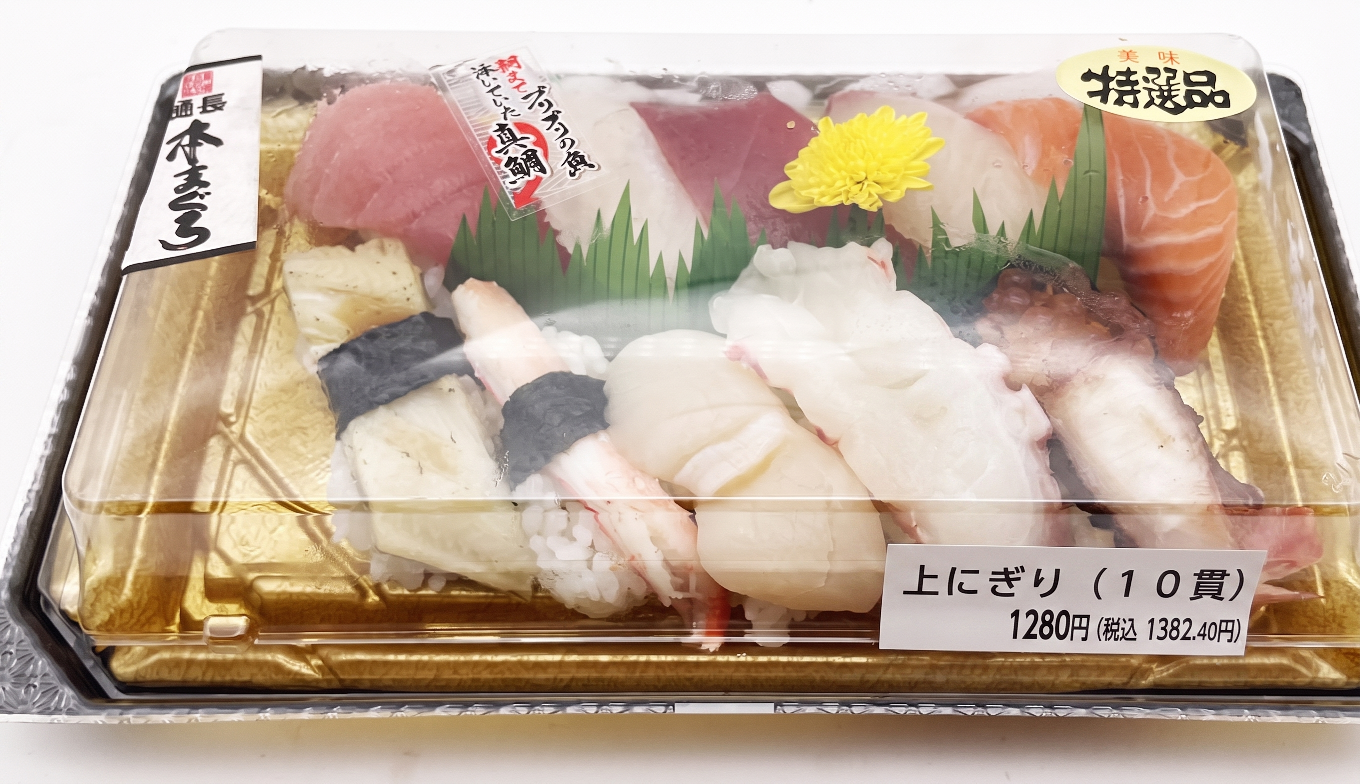
Supermarkets / Department store basements (Depachika)
$
Convenient and high quality. Available for purchase in packs.
Late-night snacks at hotels or picnics
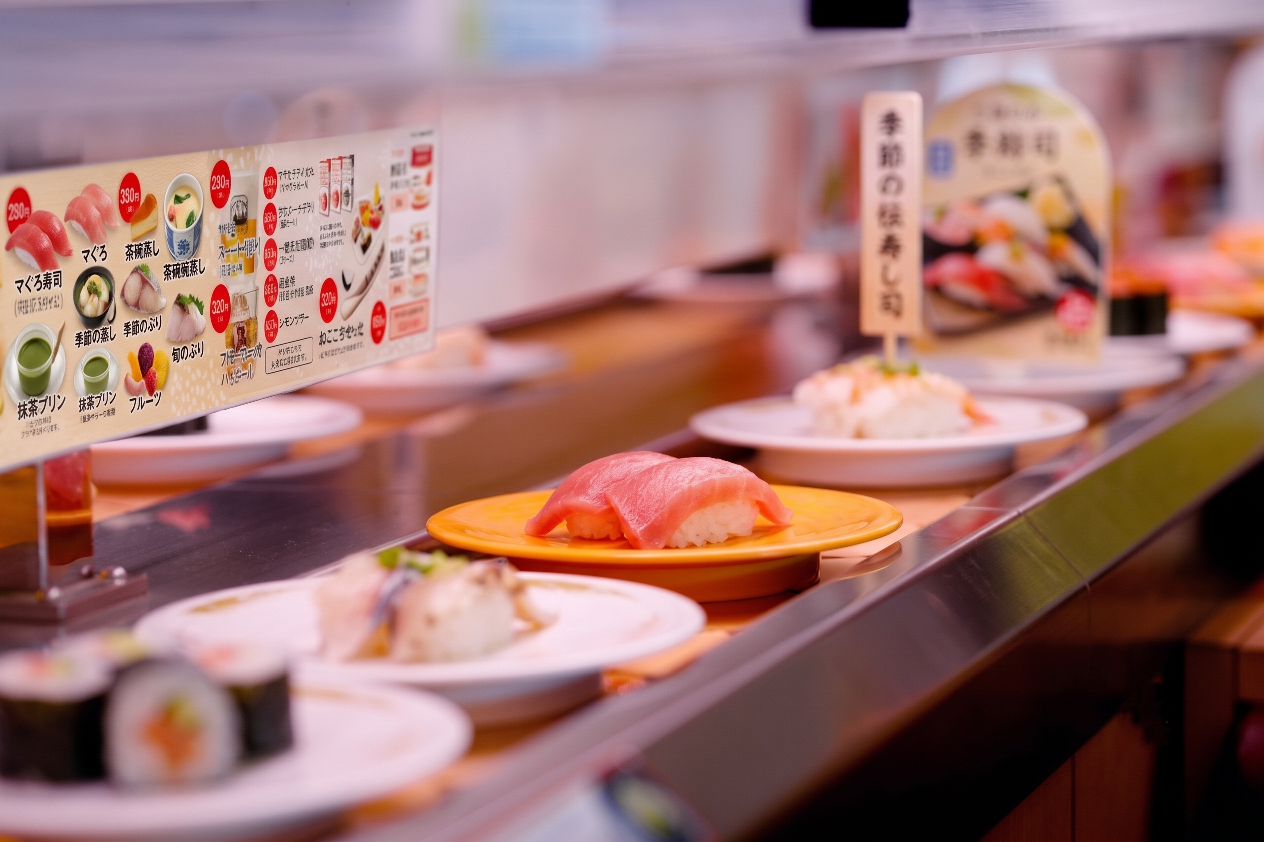
Conveyor belt sushi (Kaiten-zushi)
$$
Can be ordered via touch panel. Outstanding entertainment value.
For families or when you want to try various flavors
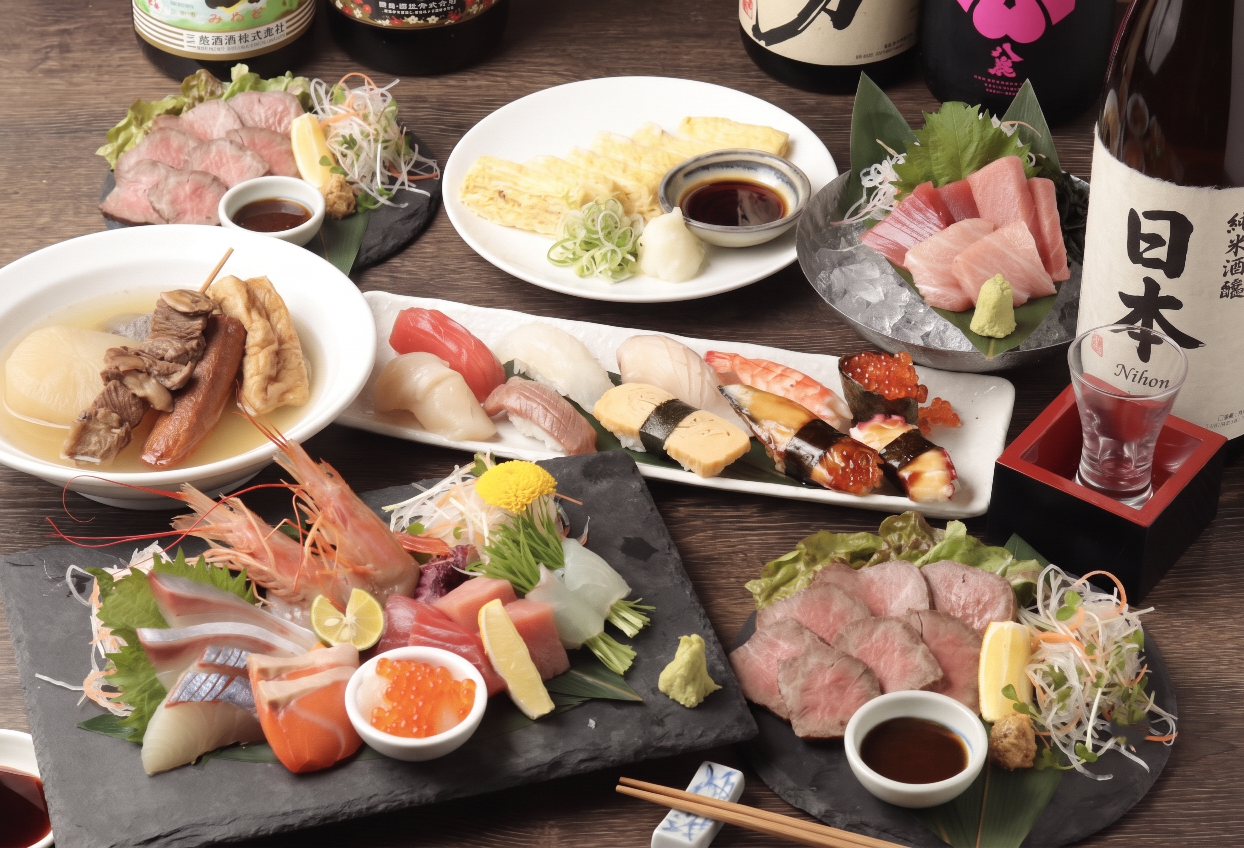
Japanese-style pubs (Izakaya)
$$$
Can be enjoyed with alcohol, tempura, and other Japanese food.
Dinner or drinking parties with friends
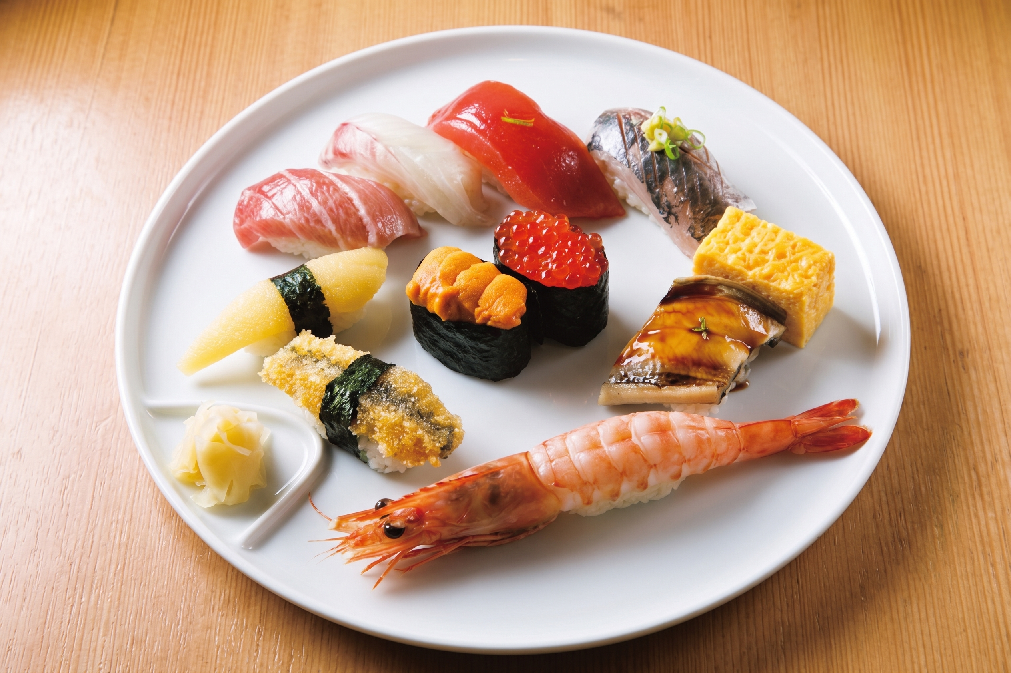
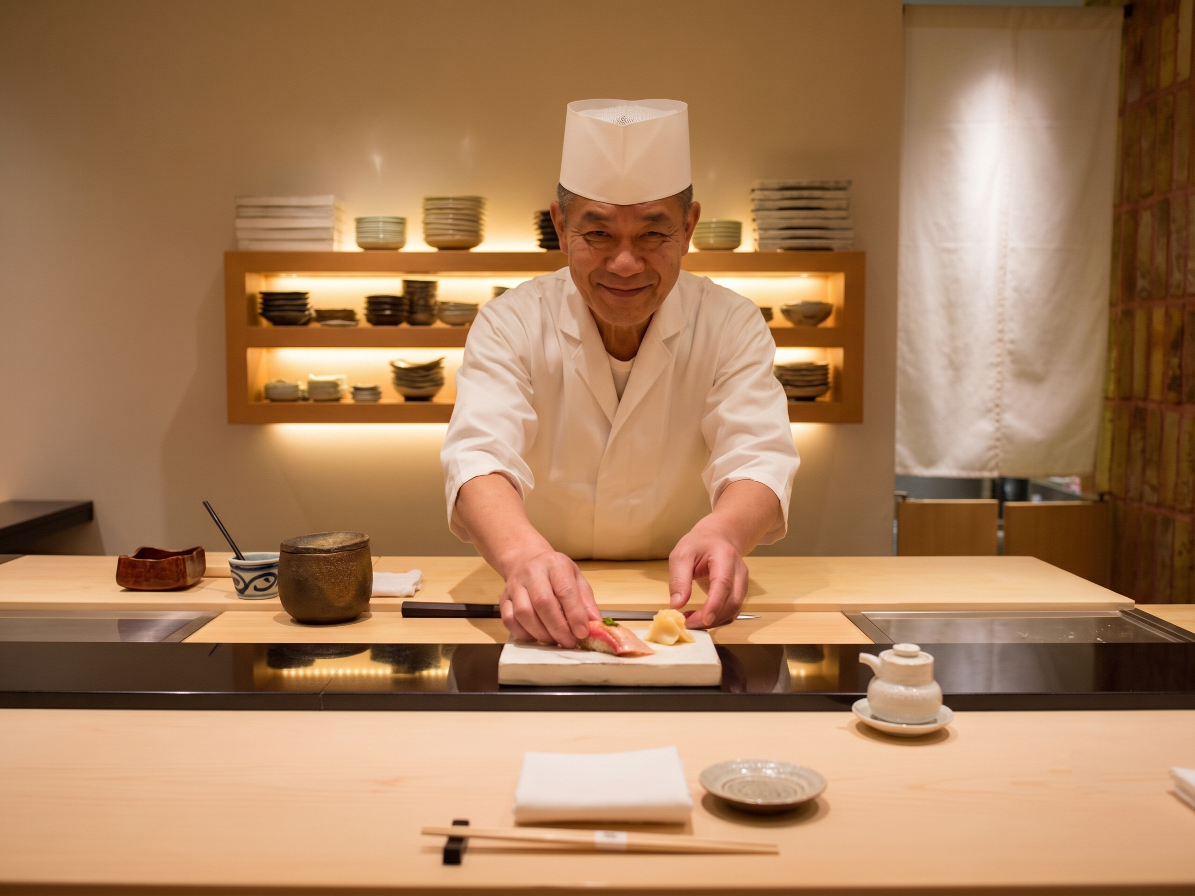
Counter sushi
$$$$$
The ultimate gastronomic experience where you can enjoy craftsmanship right in front of you.
Meals for anniversaries and special occasions
2. Delicious Ways to Eat and Manners You Should Know
At Japanese sushi restaurants, especially counter sushi, knowing a few simple rules will allow you to enjoy your meal more smartly.
Eating with hands is OK: Using chopsticks is common, but eating with hands is not a breach of manners. Apply soy sauce to the "neta" (topping): If you apply soy sauce to the shari (rice), it will fall apart. Tilt the sushi slightly and apply a little soy sauce only to the fish part. Eat in one bite: Craftsmen shape the sushi so that it has the best balance when eaten in one bite. It is refined to taste it in one bite without biting it off. The role of gari (ginger): The pink or pale yellow ginger is for resetting the inside of your mouth before eating a different fish.
[Types of Soy Sauce You Should Know]
Koikuchi Shoyu (Dark soy sauce): The most common and all-purpose soy sauce. Tamari Shoyu: A rich and full-bodied soy sauce that goes well with sashimi and sushi. Gen'en Shoyu (Reduced-salt soy sauce): Some restaurants provide this for those who are restricting their salt intake.
3. Not Just "Nigiri"! The Profound Variations of Sushi
Besides the roll sushi (makizushi) and nigiri sushi famous overseas, there is a wide variety of sushi rooted in regions across Japan. They also look great in photos, so please share them on social media.
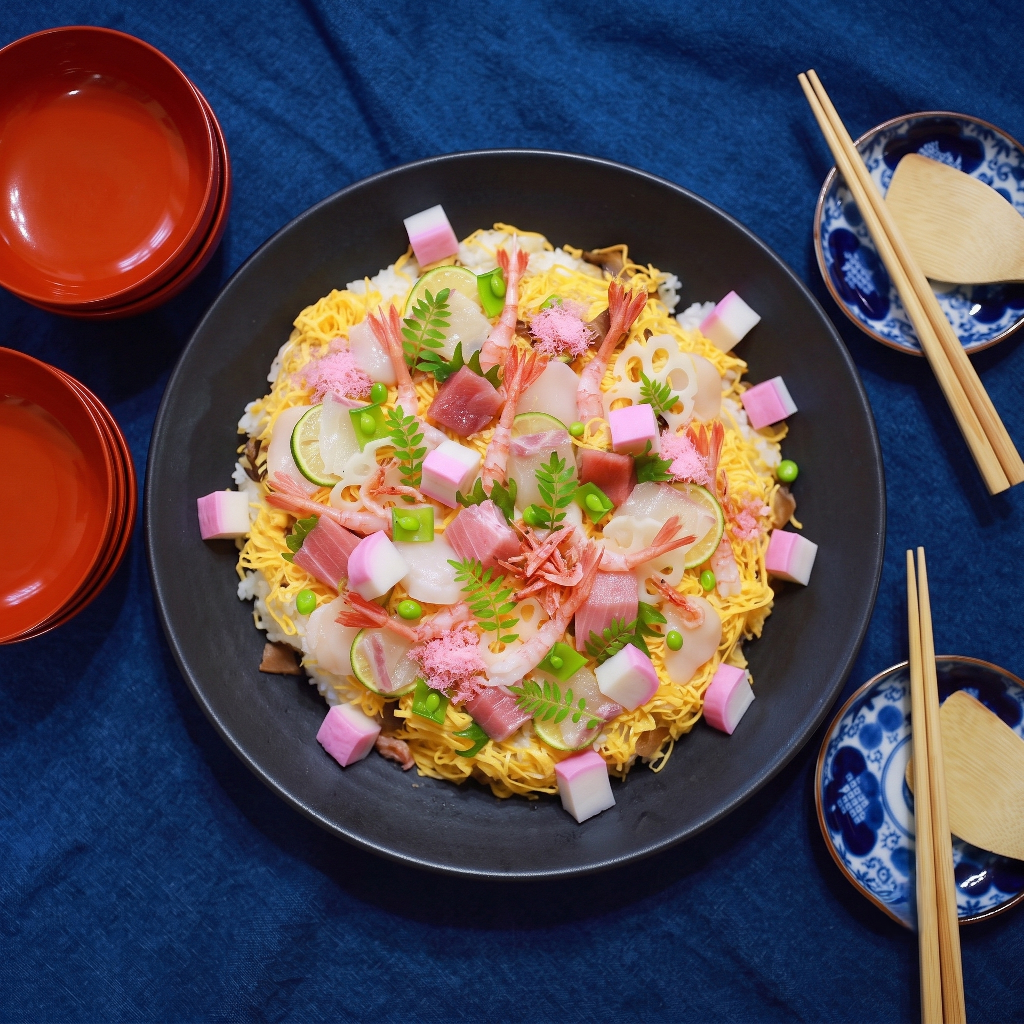
Chirashizushi
A jewel-box-like sushi with colorful sashimi and rolled omelet scattered on top of vinegared rice in a bowl.
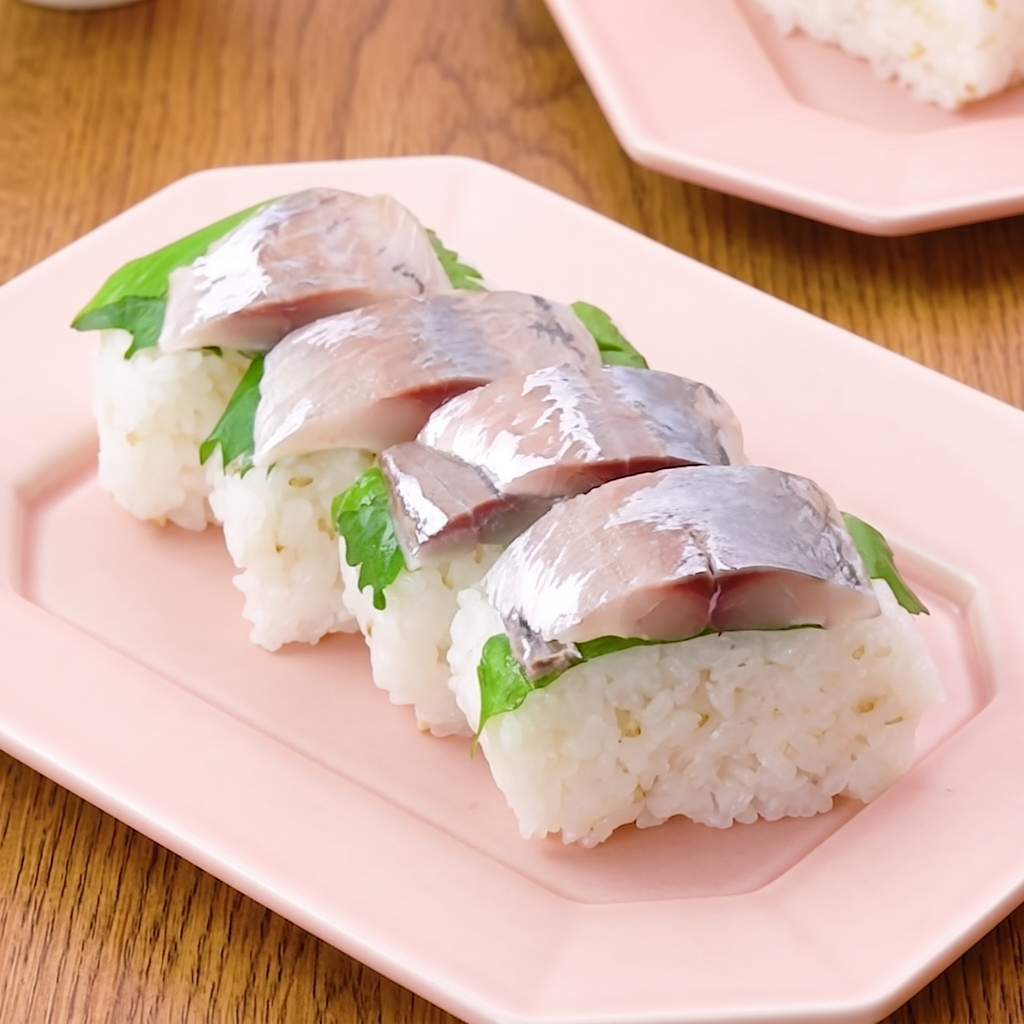
Oshizushi (Box sushi)
Sushi originating in the Kansai region, made by spreading vinegared rice and fish (mainly mackerel, etc.) in a wooden box and applying pressure.
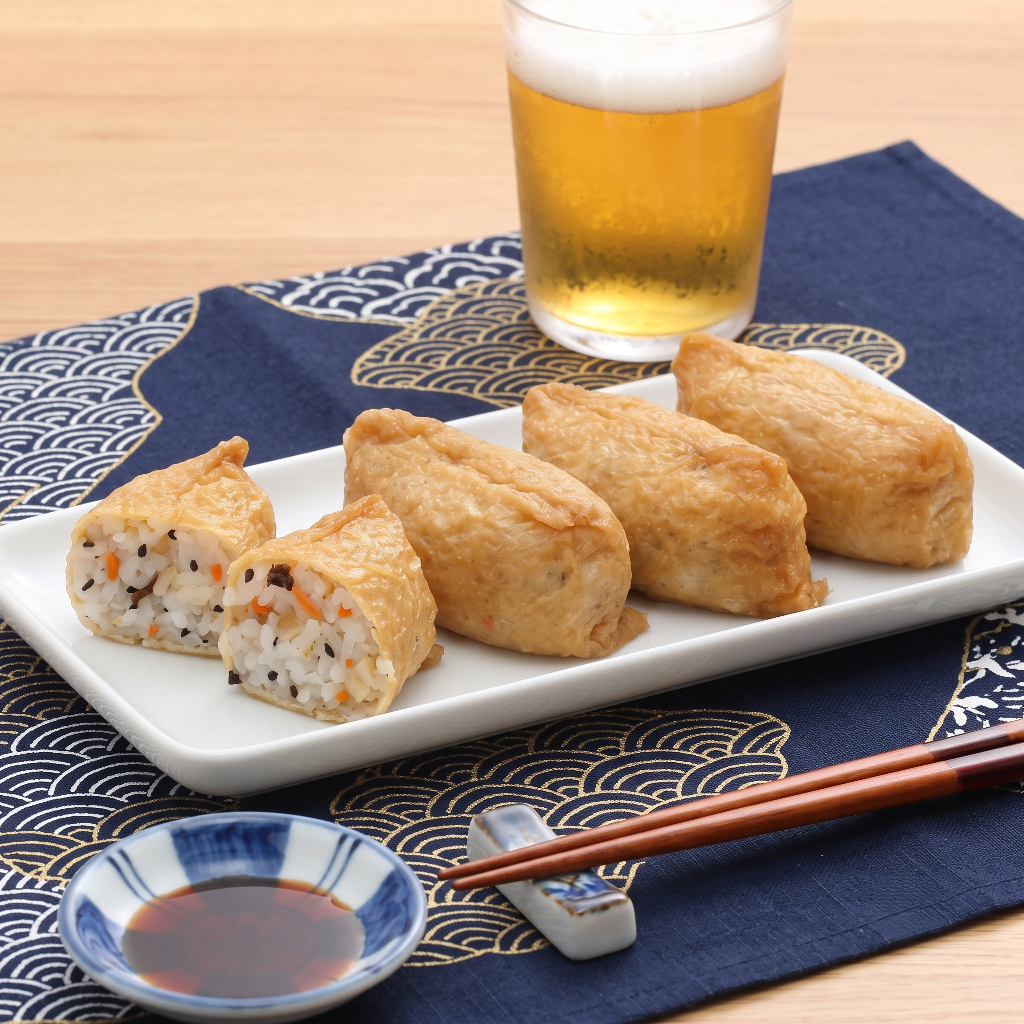
Inarizushi
Casual and sweet sushi made by stuffing vinegared rice into sweet-and-salty simmered aburaage (deep-fried tofu).
4. History of Sushi: From Fermented Food to Edo's Fast Food
The origin of sushi was completely different from today's "fresh raw fish".
Originated as preserved food: The root is "Narezushi", which is said to have been introduced from Southeast Asia. It was a preserved food made by fermenting fish with salt and rice for months. Edo period innovation: In the 1800s in Edo (current Tokyo), "Nigirizushi" was born, where vinegar was used to add sourness without waiting for fermentation, and it was shaped and served on the spot.
This became a huge hit as fast food for busy Edoites, and became the base of modern sushi.
5. Trivia to Enjoy Sushi Even More
Agari (Tea): The powdered green tea served at sushi restaurants is called "Agari". It is served piping hot to refreshingly wash away the fish fat. The world of jargon: Sushi restaurants have their own industry terms, such as calling soy sauce "murasaki" and rice "shari".
6. Taste Japan Even After Returning Home: Temakizushi Recipe You Can Make at Home
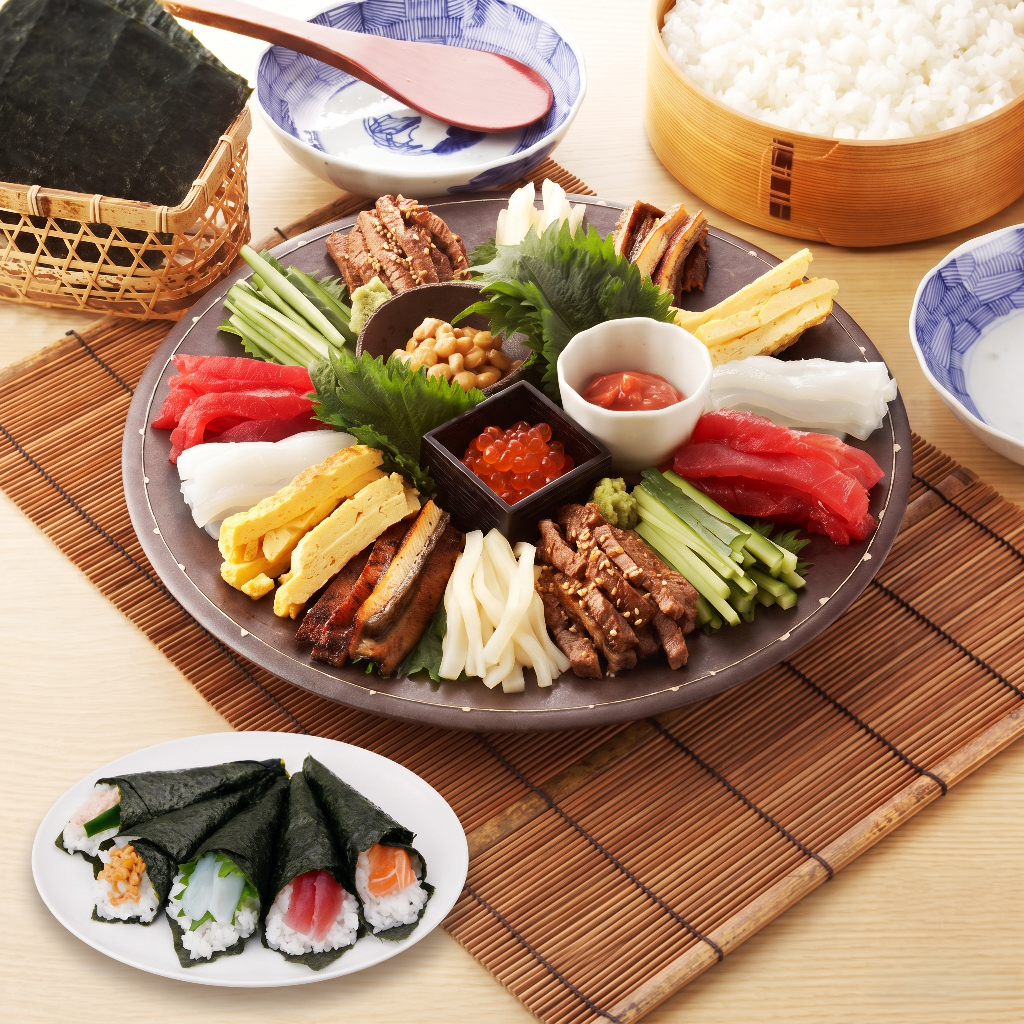
Temakizushi (Hand-rolled sushi) is a standard menu item for parties in Japanese homes. It can be easily arranged with ingredients available at overseas supermarkets.
Basic Ingredients
Cooked rice
Sushi vinegar (mixture of rice vinegar, sugar, and salt)
Nori (Seaweed)
Your favorite ingredients (salmon, tuna, avocado, cucumber, imitation crab, rolled omelet, etc.)
How to Make
Mix sushi vinegar into warm rice and cool it with a paper fan to make "shari".
Cut the nori into palm-sized pieces.
Spread the shari thinly on the nori, place your favorite ingredients on it, and simply roll it into a cone shape to finish.
← Back to previous page