Tempura: The Ultimate Fried Food that Arrived from Portugal and Evolved
Tempura is not merely "fried food". It is the crystallization of delicate Japanese cooking techniques, where the crispiness of the batter and the umami of the ingredients trapped inside create an exquisite harmony.
On this page, we deliver a complete guide to enjoy authentic tempura 100%.
1. Eating Tempura in Japan: A Guide by Budget and Style
Tempura is a dish that is very widely loved, from a commoner's taste that can be eaten for a few hundred yen, to a high-class course of tens of thousands of yen.
Style
Estimated Budget
Characteristics and Experience
Recommended Usage Scenes
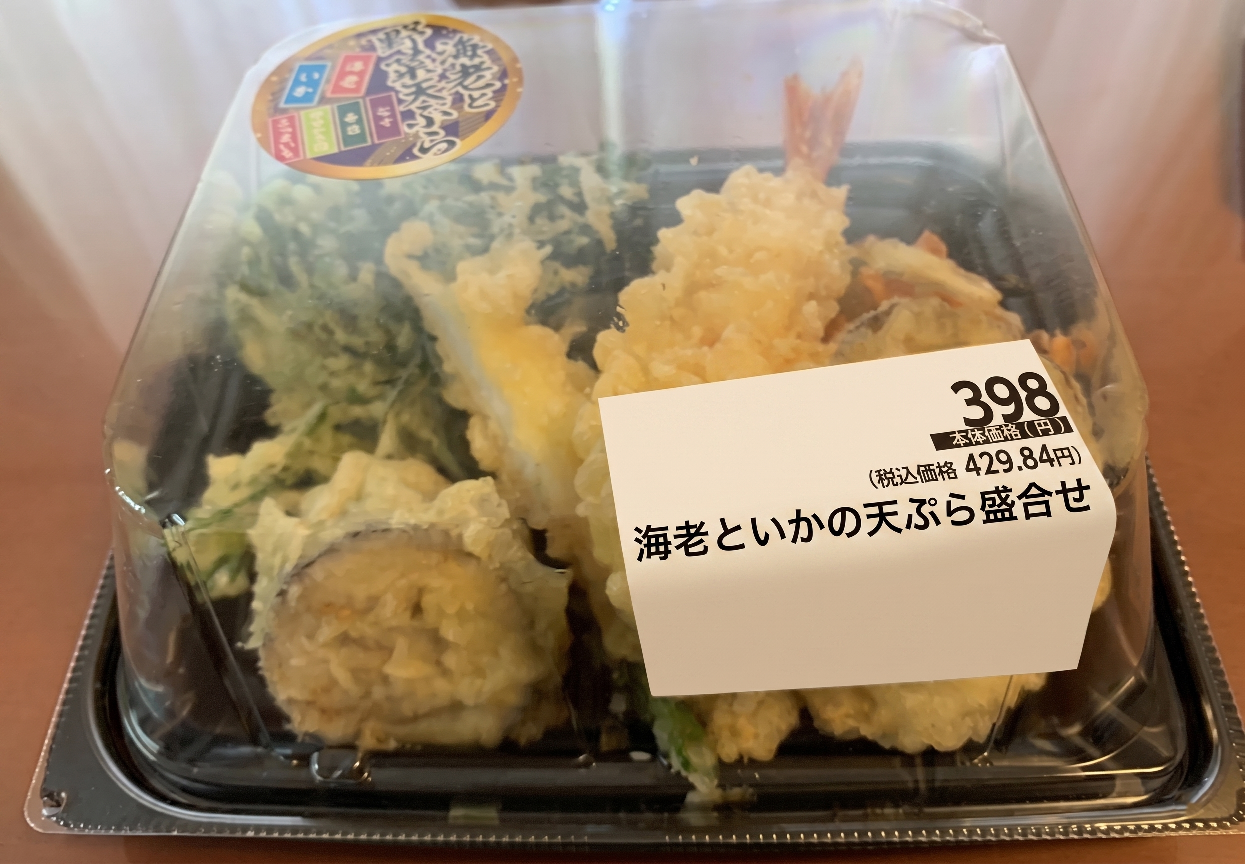
Supermarket Deli
$
Can be bought from 1 piece at a reasonable price. Perfect for a topping on udon or soba.
For meals at the hotel, or as a small side dish
Tendon / Udon Chain Stores
$$
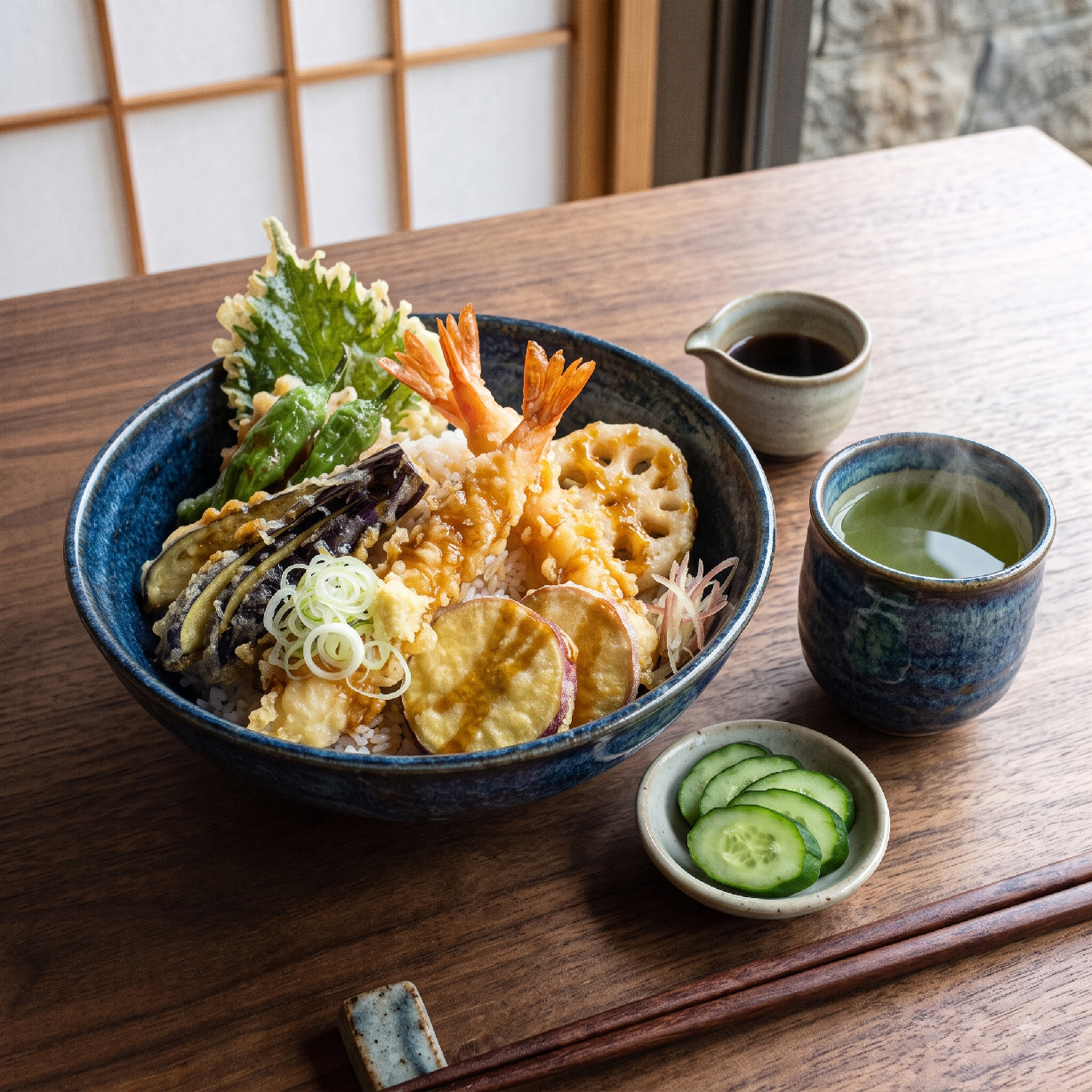
You can easily enjoy "Tendon", which is tempura placed on top of rice.
During lunch time, or when you want to eat your fill cheaply
Soba / Japanese Restaurants
$$$
The combination of cold soba and crispy tempura (Tenzaru) is a major Japanese classic.
When you want to taste Japanese food in a calm atmosphere
Counter Tempura Specialty Stores
$$$$$
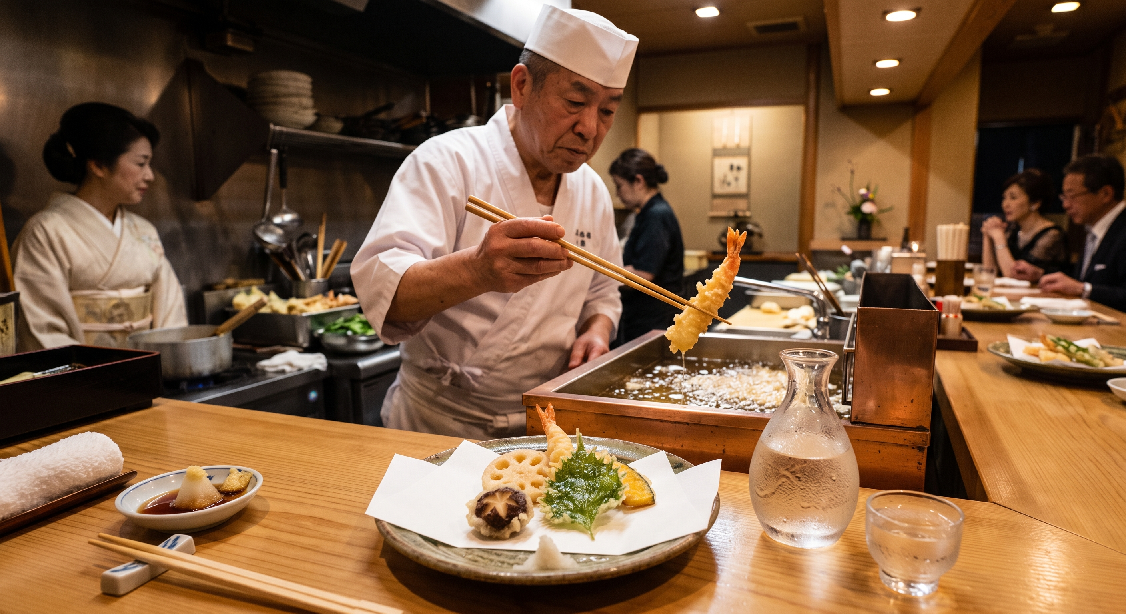
A chef will serve freshly fried piping hot items one by one right in front of you.
For dinner on a special day, or the ultimate gastronomic experience
2. Delicious Ways to Eat and Manners You Should Know: Proper Use of Tentsuyu and Salt
There are mainly two ways to eat tempura: "Tentsuyu" and "Salt". By using these properly, you can enjoy the taste of the ingredients more deeply.
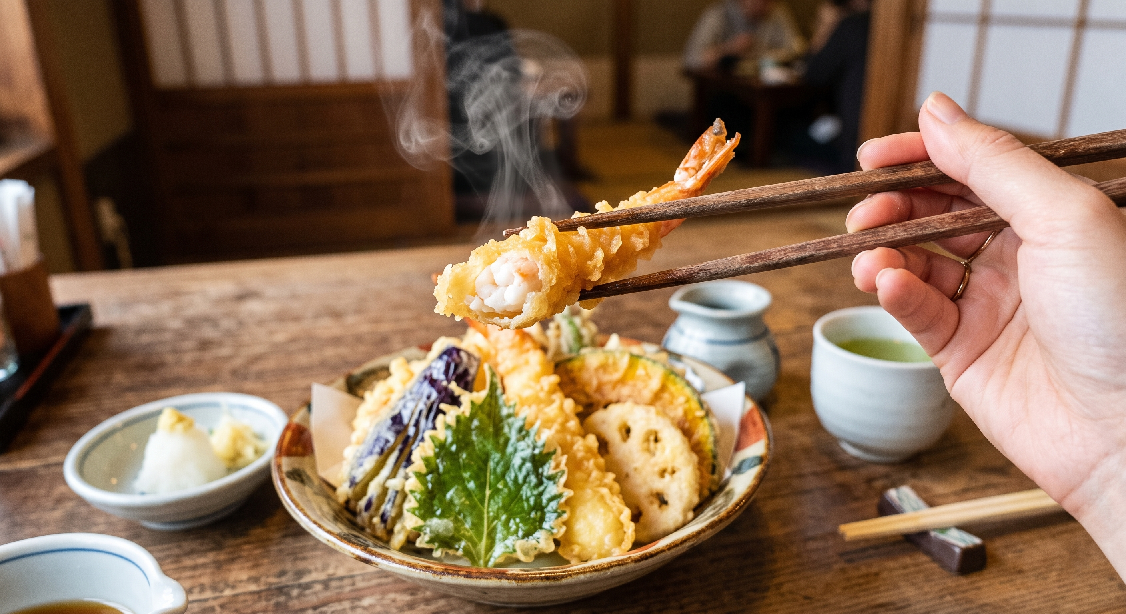
Tentsuyu: A warm soup combining dashi, soy sauce, and mirin. Dissolve the attached "Grated Daikon", quickly dip the tempura in it, and eat. It neutralizes the oiliness and can be eaten refreshingly. Salt (Shio): A style of eating by dipping in salt. Because it does not spoil the crispiness of the batter and enhances the "original sweetness" of fish and vegetables, it is a preferred eating method for connoisseurs. There are also variations like matcha salt and curry salt. Eat while hot: The life of tempura is its "Crispiness". When served, keep the time taking pictures short and eat it while it is piping hot and at its most delicious.
[Classic Ingredients (Neta) You Should Know]
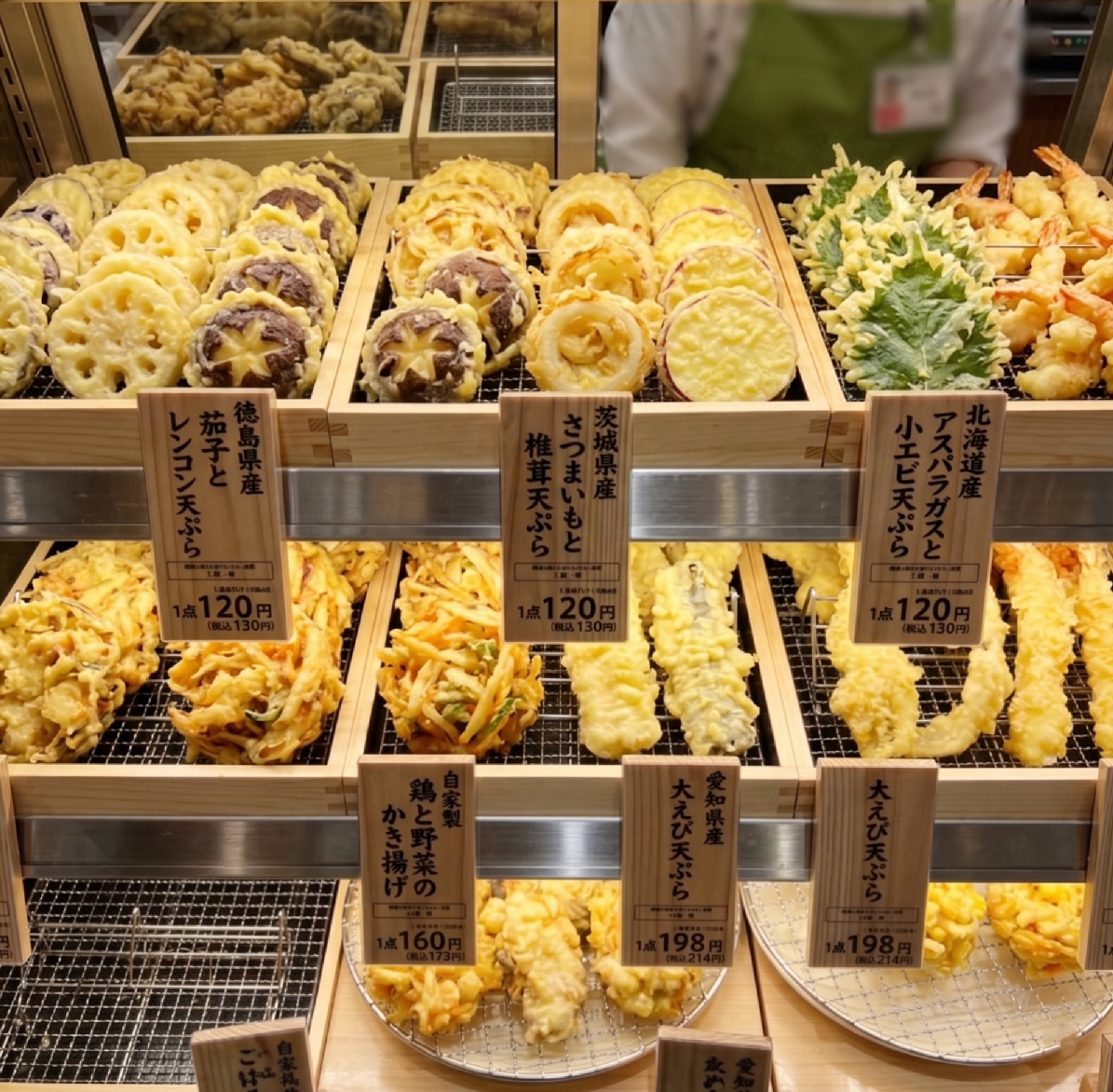
Shrimp (Ebi): The star of tempura. The texture of crispy on the outside and plump on the inside is irresistible. Kakiage: A hearty tempura made by mixing finely chopped vegetables, small shrimp, etc., and frying them in a round shape. Seasonal Vegetables: Spring wild vegetables, summer eggplant, autumn sweet potato, winter lotus root, etc. Tempura is the best dish to feel Japan's four seasons.
3. History of Tempura: Arrival from Portugal and Evolution
Tempura is often thought of as a purely Japanese dish, but it was actually born receiving influence from Europe.
Arrived from Portugal in the 16th century: Along with firearms and Christianity, the cooking method of "frying in oil" was brought into Japan by Portuguese missionaries. The secret of the etymology: It is said that the etymology became "Tempora", meaning "Christian fasting days (days to eat fish without eating meat)" in Portuguese, or "Tempero", meaning seasoning. Evolution into Edo's fast food: After that, in Edo (Tokyo) in the 1800s, the style of frying fresh fish from Tokyo Bay and eating it standing at food stalls became a huge boom, and it evolved into a Japanese national food alongside sushi and soba.
4. Trivia to Enjoy Tempura Even More
The art of the frying "sound": Skilled chefs distinguish the change in the "crackling" sound of ingredients frying in the oil, adjust the degree of moisture loss by the millimeter, and pull them out of the oil at the perfect timing. Kaishi: At high-end tempura restaurants, tempura is placed on top of white Japanese paper (kaishi). This is a traditional Japanese consideration that serves the role of absorbing excess oil and maintaining the beauty of appearance.
5. Taste Japan Even After Returning Home: Recipe Tips to Fry Crispy at Home
When making tempura at home, does the batter ever become soggy? We will introduce magic tips for frying it crispy.
Basic Ingredients
Cake flour (Wheat flour)
Cold water (or carbonated water)
Egg
Frying oil
Your favorite ingredients (Shrimp, sweet potato, white fish, pumpkin, etc.)
How to Make (Tips for Crispiness)
Always chill the water: Use ice water or cold carbonated water for the water to make the batter. The temperature difference creates the crispiness. Do not overmix: Once you put flour, water, and egg in a bowl, just mix lightly with chopsticks. It is correct that lumps (clumps of powder) remain. If you mix too much, stickiness (gluten) will appear and it will become hard.
Quickly put the batter on the ingredients and fry them crisply in 170 to 180 degree oil, and the delicious homemade tempura is complete.
← Return to the previous page